 Myralis
Holistic Wellness & Well-being
A Comprehensive Resource on Lifestyle Choices and Nutritional Strategies for Maintaining Physical Harmony
Educational content only. No promises of outcomes.
Understanding Holistic Well-being
Holistic well-being represents an integrated approach to health that considers the interconnectedness of mind, body, and spirit. Rather than treating each aspect in isolation, this philosophy recognizes that our physical health, mental clarity, emotional balance, and spiritual fulfillment are deeply intertwined.
The foundational principles of holistic health emphasize balance, harmony, and the importance of addressing all dimensions of human experience. This perspective has been valued across cultures and centuries, reflecting an understanding that true well-being extends beyond the absence of disease to encompass vitality, purpose, and inner peace.
Key Concepts
- Mind-Body Connection: Mental health directly influences physical wellness, and vice versa
- Nutritional Foundation: What we consume shapes both body and mind
- Physical Activity: Movement supports multiple systems of the body
- Emotional Balance: Stress management and emotional resilience are essential
- Spiritual Alignment: Connection to purpose and values contributes to overall harmony
Nutritional Foundations: A Guide
Nutrition serves as a cornerstone of holistic wellness. Understanding the basic principles of balanced eating helps individuals make informed choices that support their physical and mental health.

Essential Nutritional Elements
Macronutrients
Carbohydrates, proteins, and fats are the three macronutrients essential for energy, tissue building, and cellular function. A balanced approach incorporates whole grains, legumes, nuts, and diverse sources of these nutrients.
Micronutrients
Vitamins and minerals support numerous bodily processes, from bone health to immune function. These are abundantly found in colorful vegetables, fruits, seeds, and whole food sources.
Whole Foods
The emphasis on minimally processed, whole foods ensures that nutrients are available in their natural form, often with beneficial compounds that work synergistically within the body.
The Role of Physical Activity
Movement is a fundamental aspect of holistic wellness, supporting cardiovascular health, mental clarity, and emotional balance. Physical activity need not be intense or aggressive to be beneficial.

Moderate Physical Activities
- Walking: A gentle, accessible form of movement that promotes circulation and mental clarity
- Yoga: Combines movement with mindfulness, improving flexibility, strength, and mental focus
- Stretching: Enhances flexibility, reduces tension, and promotes relaxation
- Tai Chi: A low-impact practice that emphasizes balance, coordination, and calm
- Swimming: A full-body, low-impact activity that supports cardiovascular health
The benefits extend beyond physical health to include improved mood, reduced stress, better sleep quality, and enhanced overall vitality.
Mind-Body Connection: Stress Management
Stress is a natural part of life, but chronic stress can impact physical health, mental clarity, and emotional well-being. Effective stress management techniques help restore balance and resilience.

Techniques for Stress Reduction
Meditation and Mindfulness
These practices cultivate awareness and presence, allowing the mind to settle and the nervous system to calm. Regular practice can improve focus, emotional stability, and overall well-being.
Deep Breathing Exercises
Conscious breathing activates the parasympathetic nervous system, promoting relaxation and reducing physical and mental tension. Simple techniques can be integrated throughout the day.
Nature Connection
Spending time in natural environments reduces stress hormones and promotes psychological restoration. Even brief exposure to nature can have measurable calming effects.
Creative Expression
Activities such as art, music, and writing serve as outlets for processing emotions and promoting mental clarity.
Exploring Natural Ingredients
Natural ingredients have been part of human history for centuries. Understanding their composition and traditional roles provides valuable context for comprehensive wellness knowledge.
| Ingredient | Scientific Name | General Role | Traditional Context |
|---|---|---|---|
| Turmeric | Curcuma longa | Contains compounds studied for various properties | Used in traditional Asian practices for centuries |
| Ginger Root | Zingiber officinale | Known for warming properties and digestive support | A staple in traditional medicine across cultures |
| Green Tea Extract | Camellia sinensis | Contains natural compounds and antioxidants | Consumed for thousands of years in Asian cultures |
| Ashwagandha | Withania somnifera | Studied for various wellness properties | Central to traditional Ayurvedic practices |
These ingredients serve as informational context for understanding natural approaches to wellness. The use of such ingredients is meant to illustrate the diversity of natural components that people have incorporated into their practices.
Lifestyle Habits for Harmony
Establishing consistent daily routines and practices creates a foundation for sustained well-being. Small, intentional choices accumulate into significant positive impacts on overall health and happiness.
- Consistent Sleep Schedule: Maintaining regular sleep and wake times supports circadian rhythm, energy levels, and mental clarity
- Regular Movement: Incorporating daily physical activity, whether through exercise, walking, or gentle movement, supports physical and mental health
- Mindful Eating: Eating slowly, with awareness of hunger and fullness cues, improves digestion and satisfaction
- Time in Nature: Regular exposure to natural environments reduces stress and promotes psychological restoration
- Digital Detox: Taking intentional breaks from screens allows the mind to rest and supports better sleep quality
- Social Connection: Maintaining meaningful relationships and community involvement contributes significantly to emotional and mental well-being
- Gratitude Practice: Regularly acknowledging positive aspects of life shifts perspective and enhances emotional resilience
- Personal Reflection: Journaling or meditation supports self-awareness and emotional processing
Hydration and Its Importance
Water is fundamental to human life and physiological function. Understanding the role of hydration in overall health underscores its significance in any wellness strategy.
Water's Essential Functions
Cellular Function
Water is essential for every cellular process, from nutrient transport to temperature regulation.
Nutrient Delivery
Water carries nutrients and oxygen throughout the body, supporting all physiological systems.
Toxin Elimination
Adequate hydration supports the body's natural detoxification processes through the kidneys and lymphatic system.
General guidelines suggest that hydration needs vary based on activity level, climate, and individual factors. Most people benefit from consistently drinking water throughout the day and adjusting intake based on thirst and activity.
Sleep Quality and Restoration
Quality sleep is a cornerstone of physical health, mental clarity, and emotional resilience. Understanding sleep and practicing good sleep hygiene supports natural restoration processes.
Sleep Hygiene Principles
- Maintain a consistent sleep schedule, even on weekends
- Create a calm, cool, and dark sleep environment
- Limit exposure to screens at least one hour before bedtime
- Avoid caffeine and heavy meals close to bedtime
- Incorporate relaxation techniques such as deep breathing or gentle stretching
- Keep the bedroom reserved primarily for sleep and intimacy
- Engage in regular daytime physical activity to support natural sleep drive

During sleep, the body undergoes critical restoration: cellular repair, memory consolidation, immune system strengthening, and emotional processing all occur during rest. Quality sleep impacts cognitive function, mood regulation, metabolic health, and overall resilience.
Balanced Approaches to Diet
Various dietary patterns have been developed across cultures, each offering principles that support overall health and well-being. Understanding these approaches provides context for making informed nutritional choices.
Mediterranean Pattern
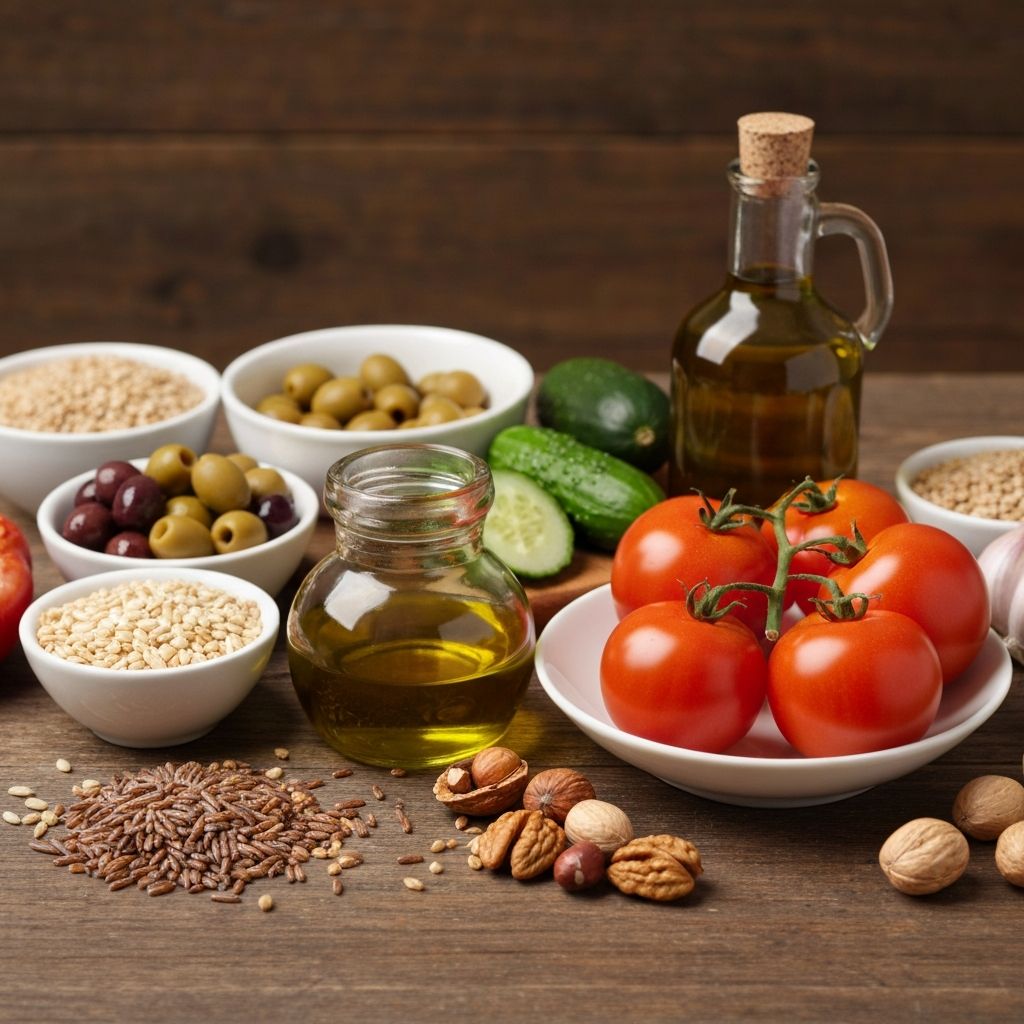
Emphasizes vegetables, whole grains, legumes, nuts, and olive oil. This approach incorporates moderate fish consumption and moderate dairy intake, while limiting red meat. The emphasis on whole foods and healthy fats aligns with principles of balanced nutrition.
Plant-Based Approach
Focuses on vegetables, fruits, whole grains, legumes, nuts, and seeds. This pattern can provide comprehensive nutrition when thoughtfully planned, offering abundant fiber, antioxidants, and essential nutrients while reducing saturated fat intake.
Community and Social Well-being
Human beings are inherently social creatures. The quality of our relationships and our sense of community connection significantly influence both mental and physical health.
The Impact of Social Connection
Research consistently demonstrates that meaningful relationships, community involvement, and a sense of belonging contribute to:
- Improved mental health and emotional resilience
- Lower stress levels and reduced anxiety
- Enhanced sense of purpose and life satisfaction
- Better physical health outcomes and longevity
- Increased motivation for healthy behaviors
- Greater ability to cope with life challenges
Cultivating community can take many forms: maintaining close relationships with family and friends, participating in group activities aligned with interests, volunteering, joining clubs or organizations, or simply being present and authentic in daily interactions.
Glossary of Wellness Terms
A-M
- Antioxidants:
- Compounds that help neutralize harmful molecules called free radicals in the body
- Circadian Rhythm:
- The body's natural 24-hour cycle that regulates sleep, metabolism, and other biological processes
- Digestion:
- The process by which the body breaks down food and absorbs nutrients
- Holistic:
- An approach that considers the whole person rather than isolated parts
- Immune System:
- The body's natural defense mechanism against pathogens and harmful substances
- Inflammation:
- A natural immune response to injury or infection; chronic inflammation can impact long-term health
- Macronutrients:
- Large-scale nutrients including carbohydrates, proteins, and fats needed in significant quantities
- Micronutrients:
- Vitamins and minerals needed in smaller quantities but essential for health
- Mindfulness:
- The practice of maintaining present-moment awareness without judgment
N-Z
- Nutrients:
- Substances in food that provide nourishment and support bodily functions
- Phytonutrients:
- Beneficial plant compounds found in fruits, vegetables, and whole foods
- Resilience:
- The ability to adapt to stress and recover from challenges
- Sleep Hygiene:
- Practices and habits that promote consistent, quality sleep
- Stress Management:
- Techniques and practices used to reduce the impact of stress on mental and physical health
- Vitality:
- A state of physical and mental energy, enthusiasm, and well-being
- Wellness:
- A state of being in good physical, mental, and emotional health
- Whole Foods:
- Foods that are minimally processed and retain their natural nutritional value
Evolution of Wellness Concepts
Understanding health and wellness has evolved significantly across cultures and throughout history. This timeline illustrates key developments in how humanity has conceptualized well-being.
Ancient Traditions (3000 BCE - 500 CE)
Traditional medical systems across Asia, India, and the Mediterranean developed comprehensive approaches to health that integrated physical, mental, and spiritual elements. These systems documented observations about nutrition, herbs, movement practices, and stress management.
Classical and Medieval Periods (500 - 1500 CE)
Philosophers and physicians refined understanding of balance, the importance of diet, the mind-body connection, and the role of lifestyle in health. Herbal knowledge was systematically documented and transmitted.
Renaissance and Early Modern (1500 - 1800)
Scientific inquiry began to intersect with traditional knowledge. The importance of nutrition, sanitation, and fresh air gained recognition. Natural philosophy examined the mechanisms behind health and illness.
Modern Era (1800 - 1950)
Scientific medicine advanced rapidly, with significant discoveries in microbiology, biochemistry, and pharmacology. Understanding of specific nutrients and their roles in health expanded dramatically.
Contemporary Understanding (1950 - Present)
Modern science has increasingly validated traditional approaches. Research confirms the importance of diet, physical activity, stress management, sleep quality, and social connection. Integrative approaches recognize both scientific medicine and holistic principles.
Disclaimer: Limitations and Context
The information provided on Myralis is for general educational purposes only and is not intended as medical advice. It should not be used to diagnose, treat, cure, or prevent any disease. Individual needs and responses may vary, and the content does not replace consultation with a qualified healthcare professional. Always seek the advice of your physician or other qualified health provider with any questions you may have regarding a medical condition or before making any changes to your diet, exercise, or lifestyle.